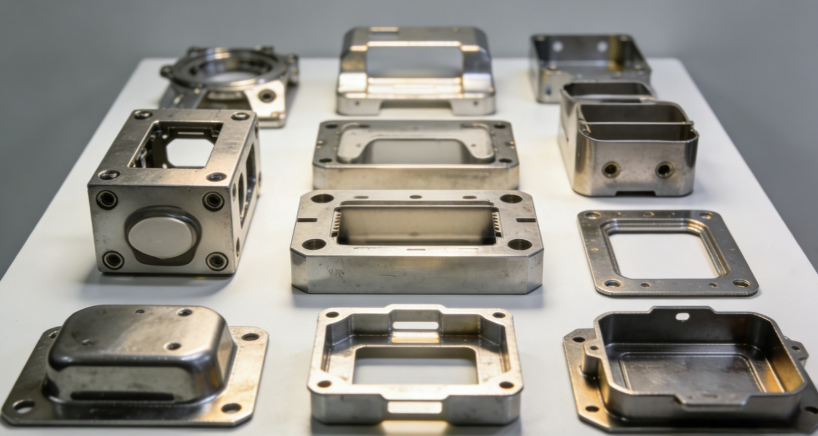
Manufacturers across the world rely on durable, accurately formed metal components to produce dependable products. Stainless steel metal stamping is a manufacturing process used to transform stainless steel sheets into customized parts with specific shapes, dimensions, and functional properties. From electronic devices and automotive systems to medical equipment and industrial machinery, this process supports applications where strength, corrosion resistance, and consistent quality are essential.
What Is Stainless Steel Metal Stamping?
Stainless steel metal stamping involves using specialized presses and dies to cut, punch, bend, or form stainless steel into a required design. Depending on the component, manufacturers may use progressive die stamping or other precision forming techniques to achieve the desired shape and dimensions.
The process begins with material selection and tooling design. Stainless steel sheets are prepared according to the project’s specifications before being processed through stamping equipment. After forming, components may undergo additional operations such as deburring, cleaning, surface treatment, and dimensional inspection.
Careful control at each stage helps manufacturers produce parts that meet the requirements of their intended applications.
Key Benefits of Stainless Steel Stamping
Stainless steel is widely used in precision manufacturing because it offers several valuable material properties.
Corrosion resistance: Many stainless steel grades resist rust and environmental corrosion, making them suitable for components exposed to moisture or demanding operating conditions.
Strength and durability: Stainless steel can provide the mechanical strength needed for components used in equipment, assemblies, and structural applications.
Precision and repeatability: Properly designed dies and controlled production processes help create parts with consistent shapes and dimensions.
Design flexibility: Stamping can produce detailed features, including bends, holes, brackets, contact elements, and spring-like components.
Production efficiency: Once tooling has been validated, stamping can support repeatable production for larger quantities while helping manage manufacturing time and material use.
The benefits achieved depend on the stainless steel grade, component design, tooling, and production conditions.
Applications Across Different Industries
Stainless steel stamped components serve a wide range of industrial and commercial purposes.
In the electronics industry, precision-stamped parts are used in connectors, contact components, camera modules, switches, and compact assemblies. Their dimensional accuracy helps ensure that individual parts fit correctly within electronic products.
In automotive manufacturing, stainless steel stamping supports the production of brackets, terminals, mounting components, and other specialized hardware. Material selection depends on the strength, durability, and operating conditions required.
The medical equipment industry may use stainless steel components in instruments and equipment where suitable corrosion resistance, durability, and manufacturing precision are important. Material grades and finishing processes must match the intended use.
For industrial machinery, stamped brackets, mounting plates, and mechanical components help support equipment assembly and reliable operation.
Choosing the Right Stainless Steel Stamping Manufacturer
Selecting a capable manufacturer is an important part of any metal component project. Buyers should evaluate the supplier’s material expertise, tooling capabilities, production capacity, and quality-control procedures.
It is also useful to ask about engineering support, prototype development, dimensional inspection, and secondary processing. Sharing technical drawings, material specifications, tolerances, and estimated order quantities helps the manufacturer assess project requirements accurately.
Before moving into mass production, sample testing can confirm whether the design and manufacturing process meet expectations. Clear communication about specifications and delivery schedules also supports a smoother production workflow.
See also: Ro.co TV Offer Alternatives: How to Compare Providers on Total Value
Explore Stainless Steel Metal Stamping Solutions
HSK Precision manufactures customized stainless steel stamping parts, including brackets, mounting components, contact parts, and spring components for various industrial applications. Its capabilities include precision tooling, component production, and quality inspection.
Businesses seeking stainless steel metal stamping solutions can explore HSK Precision’s stainless steel product category to learn more about its available components and manufacturing options.
By selecting appropriate materials, investing in precision tooling, and maintaining effective quality controls, manufacturers can produce stainless steel components that meet demanding design requirements and support reliable long-term performance.