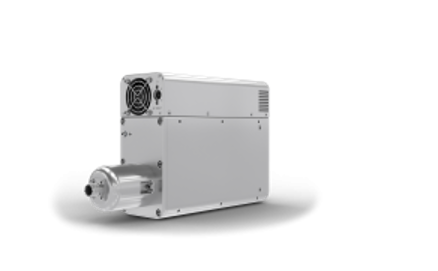
An X-ray inspection system may have a sophisticated detector, advanced imaging software, and carefully designed mechanics, yet its performance still depends on the quality of its power control. The electrical supply must deliver the required energy to the X-ray tube while operating within defined limits. For equipment developers, choosing a suitable high voltage power supply for X-Ray tube applications is therefore an important engineering decision that influences system stability, integration, and long-term reliability.
From industrial inspection equipment to medical imaging devices and analytical instruments, dependable power design begins with understanding how the source interacts with the rest of the machine.
The Electrical Foundation of X-Ray Production
Inside an X-ray tube, electrons travel from the cathode toward the anode. When these electrons strike the target, a portion of their energy is converted into X-rays, while much of the remaining energy becomes heat.
The electrical conditions determine important characteristics of this process. Tube voltage influences the energy distribution of the generated X-rays, while tube current affects the number of electrons reaching the target and, consequently, the radiation output.
Engineers must select operating parameters according to the intended application. A system designed to inspect electronic assemblies may have different requirements from equipment examining thick industrial components. Understanding these differences helps establish suitable voltage, current, and power specifications before detailed design work begins.
Voltage Stability Influences Image Consistency
An inspection system needs predictable output to produce useful and repeatable results. Variations in electrical conditions can affect radiation output and image characteristics, potentially complicating comparisons between inspected objects.
A well-matched power supply helps maintain the operating conditions required by the selected tube. Engineers should evaluate voltage regulation, current control, ripple, response to load changes, and performance across the intended operating range.
These characteristics should be assessed in the context of the complete application. A specification that looks suitable on paper may not deliver the expected results if the supply operates outside its preferred range or is paired with an incompatible tube.
Matching Power Specifications To The Tube
Selecting a power supply requires more than choosing the highest available voltage or wattage. The supply must match the tube’s electrical requirements and support the operating modes expected in the finished equipment. Experienced providers of a high voltage power supply for X-Ray tube applications can help engineers evaluate these requirements during component selection.
Engineers should review the rated voltage, current limits, power capacity, operating duty cycle, filament requirements, and connection interfaces. They should also determine whether the application requires continuous operation, intermittent exposure, or specific control sequences.
Clear specifications at this stage can prevent unnecessary redesign during prototype development and production preparation.
Industrial Inspection Places Demands On Power
Manufacturing facilities use X-ray technology to examine internal features that cannot be assessed through ordinary visual inspection. Depending on the application, systems may inspect welds, castings, electronic assemblies, manufactured components, or material thickness.
Production environments can introduce demanding operating conditions. Equipment may need to work for extended periods, maintain consistent imaging performance, and fit within automated inspection stations.
Planning these details early helps equipment manufacturers build inspection systems suited to the actual production environment rather than relying solely on laboratory performance.
Medical Devices Require Application-Specific Control
Medical imaging equipment places particular emphasis on controlled operation, predictable performance, and compliance with relevant safety requirements. Different systems may require distinct combinations of voltage, current, exposure timing, and physical dimensions.
For example, dental imaging equipment and bone densitometry systems do not necessarily share the same power requirements. The supply must be compatible with the selected tube and the intended imaging method.
The finished device must undergo appropriate verification to establish that the power subsystem performs correctly within the complete imaging system.
Thermal Design Protects Long-Term Performance
Electrical power delivered to an X-ray tube contributes to heat generation, making thermal management an essential part of system engineering. Poor heat management can affect operating stability and shorten component life.
The required cooling method depends on the tube, power level, operating duration, and physical design. Some applications may use passive heat dissipation, while others require forced-air or liquid-cooling arrangements. Selecting a suitable high voltage power supply for X-Ray tube applications also involves checking thermal limits and cooling compatibility.
A suitable power supply should operate within its specified temperature range under the expected environmental conditions. Coordinating these factors helps support dependable performance during regular equipment use.
See also: Prime Location in Shanghai’s Central Business
Interfaces Connect Power With Automation
Modern X-ray equipment often operates as part of a larger automated system. A controller may initiate exposures, monitor operating conditions, coordinate detector timing, and manage equipment status.
The power supply must communicate effectively with these components. Depending on the design, relevant interfaces may include analogue control signals, digital communication, status outputs, fault reporting, and exposure-related commands.
Engineers should verify the interface specifications before integrating the supply into the machine. Differences in communication protocols, signal levels, or control logic can create delays and additional development work.
Testing Confirms System-Level Compatibility
Individual components may satisfy their own specifications but still behave differently after installation in a complete machine. Wiring, grounding, electromagnetic interference, cooling, control software, and mechanical layout can all influence system performance.
Testing should therefore extend beyond checking whether the supply powers the tube. Engineers need to verify output regulation, operating limits, thermal behaviour, communication, fault handling, and performance under representative workloads.
Where applicable, they should also confirm radiation protection measures and compliance with the standards governing the finished equipment.
Conclusion
A dependable X-ray system emerges from the interaction of its electrical, mechanical, thermal, and control elements. Choosing a power supply that matches the tube and application can simplify integration, improve operating consistency, and support the intended equipment lifecycle.
For OEM developers, the selection process should include technical documentation, interface compatibility, cooling requirements, service considerations, and the ability to meet application-specific specifications. These factors are more useful than comparing voltage ratings alone.
VJ X-Ray OEM solutions offer an avenue for exploring integrated X-ray sources and high-voltage technologies for industrial, medical, security, and analytical equipment. With clear requirements and careful system-level evaluation, manufacturers can develop X-ray equipment around dependable power control and practical integration needs.