If your fitness routine has become a predictable cycle of treadmills, weight machines, and the same tired laps around the neighborhood, you’re not alone. Millions of people struggle to stay motivated when exercise feels like a chore rather than an adventure. Enter the jet swimming pool—an innovative solution that transforms how you think about both working out and relaxing at home. Imagine stepping into your backyard and finding a personal fitness center and water park rolled into one, where powerful swim jets create an endless current that challenges your body while the surrounding space invites pure enjoyment. This isn’t a distant fantasy reserved for elite athletes or luxury resorts. Jet swimming pools are revolutionizing aerobic movement training by delivering adjustable resistance in a compact footprint, making serious aquatic fitness accessible to anyone with a backyard. In this article, we’ll explore the technology behind swim jets, guide you through effective training programs, and show you how to create an immersive backyard water park experience. Whether you’re a dedicated fitness enthusiast or someone seeking a fresh approach to staying active, these practical steps will help you unlock a new dimension of physical wellness.
Understanding Jet Swimming Pools: The Foundation of Your Fitness Adventure
A jet swimming pool is a specially designed aquatic system that uses powerful water jets to generate a continuous current, allowing swimmers to exercise in place without needing a full-length lap pool. Think of it as a treadmill for water—you swim against a steady stream of resistance while remaining stationary in a compact space. This technology opens up serious fitness possibilities for homeowners who lack the square footage for a traditional 25-meter pool but still want a rigorous aquatic workout. The core appeal lies in the combination of low-impact exercise and high-resistance training. Water naturally supports your body weight, reducing stress on joints and connective tissue while simultaneously forcing your muscles to work harder against the current. This makes jet swimming pools ideal for year-round training regardless of weather, injury recovery, or fitness level. Unlike conventional pools where you push off walls and glide through still water, a jet swimming pool demands constant engagement from your cardiovascular system and major muscle groups throughout the entire session.
See also: Uncovering the Fascinating History and Techniques of Katna
How Swim Jets Work: Technology Behind the Resistance
Swim jets operate through high-powered pumps that push water through strategically placed nozzles, creating a smooth, wide current that mimics open-water swimming conditions. Most systems feature adjustable flow rates, allowing you to dial the resistance from a gentle stream suitable for beginners to a powerful torrent that challenges competitive swimmers. These jets can be retrofitted into existing pools or integrated into purpose-built swim spas. The science is straightforward: water is approximately 800 times denser than air, so even moderate currents force your body to recruit more muscle fibers and sustain elevated heart rates compared to land-based exercise.
Key Benefits for Fitness Enthusiasts
Training against swim jets delivers measurable cardiovascular improvement by maintaining your heart rate in optimal aerobic zones for extended periods. The constant resistance strengthens your core, shoulders, back, and legs simultaneously, creating a full-body workout that burns calories efficiently. Because you control the jet intensity, you can customize sessions for endurance building, power development, or active recovery. For anyone seeking to learn how swim jets enhance training, the ability to progress gradually—increasing resistance as fitness improves—eliminates plateaus and keeps your body adapting week after week.
Comparing Swim Jets to Traditional Pool Workouts
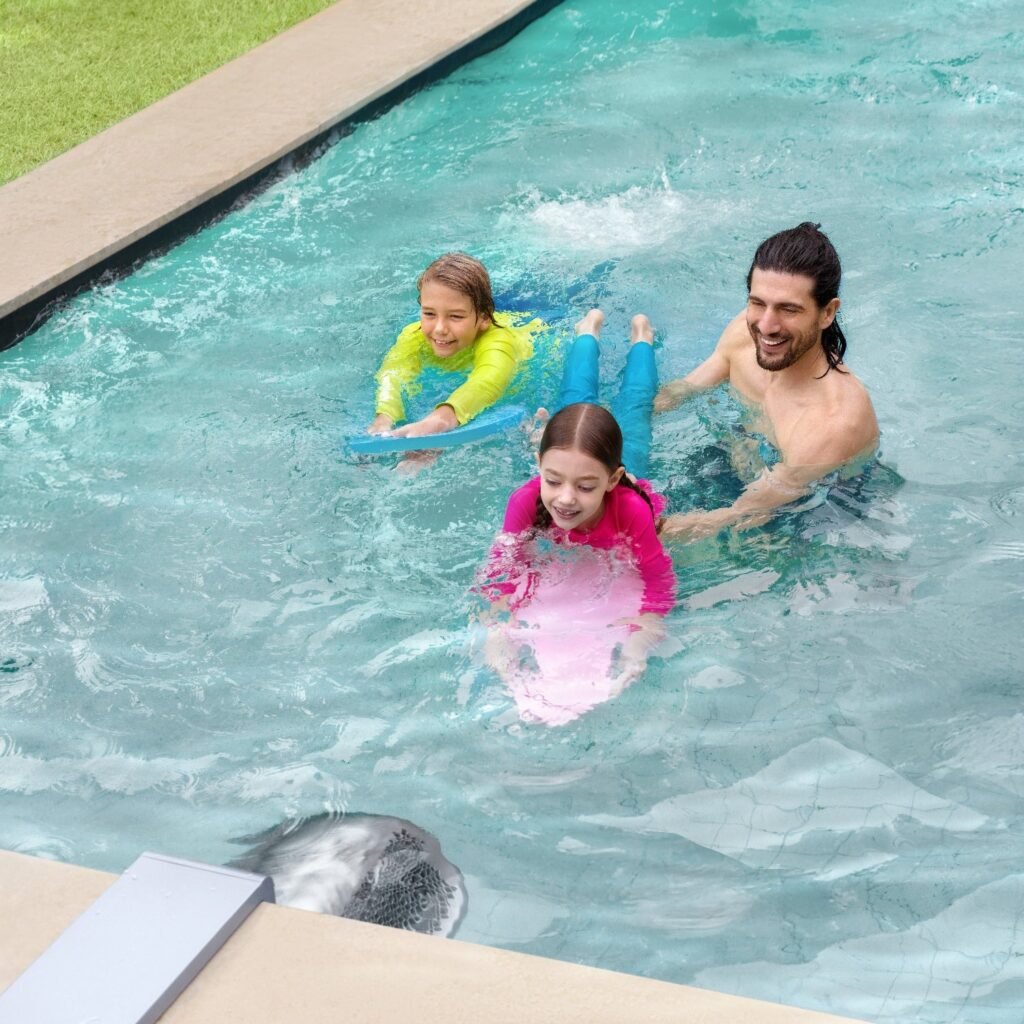
Traditional lap swimming requires long pools, frequent wall turns that interrupt momentum, and offers limited variety once you’ve mastered basic strokes. Swim jets eliminate these constraints entirely. A single 20-minute session against a strong current can deliver the equivalent cardiovascular load of swimming 40 minutes of conventional laps because there are no rest periods during turns. The versatility extends beyond swimming—you can perform water running, resistance kicks, and interval sprints all in the same compact space. This efficiency makes jet pools particularly valuable for time-pressed individuals who want maximum results from shorter workout windows.
Mastering Aerobic Movement Training with Swim Jets
Once you understand the mechanics of a jet swimming pool, the real excitement begins: putting that technology to work through structured aerobic movement training. The beauty of swim jets lies in their ability to support an enormous range of exercises beyond traditional swimming strokes. You can run in place against the current, perform dynamic kicks, execute interval sprints, or sustain steady-state endurance efforts—all within the same few square meters of water. This versatility means your aerobic fitness never stagnates because you constantly introduce new movement patterns and intensity levels that challenge your cardiovascular system in fresh ways. The water’s resistance ensures that every motion, whether a powerful freestyle pull or a simple leg lift, demands significantly more energy than the same movement performed on land. For people recovering from injuries, the buoyancy reduces impact forces while the jets maintain training intensity, bridging the gap between rehabilitation and peak performance. The key to unlocking these benefits is approaching your jet pool sessions with intentional programming rather than random splashing.
Essential Aerobic Exercises in a Jet Pool
Swimming in place against the current remains the foundational exercise—maintain a steady freestyle or breaststroke while the jets hold you stationary, focusing on smooth breathing rhythm and consistent stroke mechanics. For high-intensity intervals, sprint against maximum jet resistance for 30 seconds, then reduce the flow and recover with easy backstroke for 60 seconds, repeating eight to twelve rounds. Water running offers an excellent alternative when you want cardiovascular work without shoulder fatigue; drive your knees high against the current while pumping your arms, keeping your torso upright and core braced. Resistance kicks using a kickboard target your glutes, hamstrings, and hip flexors while keeping heart rate elevated. Always warm up with five minutes of gentle movement at low jet settings before increasing intensity, and maintain awareness of your body position—the current can subtly shift your alignment, so engage your abdominals to stay streamlined and prevent lower back strain throughout each session.
Designing a Personalized Training Program
Start by identifying your primary fitness goal: endurance building, fat loss, athletic cross-training, or rehabilitation. For endurance, schedule three to four sessions per week at moderate jet intensity lasting 30 to 45 minutes, gradually increasing duration by ten percent every two weeks. Fat loss protocols benefit from alternating high-intensity interval days with longer steady-state sessions, creating metabolic variety that prevents adaptation. Structure your week with purpose—perhaps Monday focuses on sprint intervals, Wednesday on sustained aerobic swimming, and Friday on water running combined with resistance exercises. Adjust jet settings as benchmarks improve; when a previously challenging flow rate feels manageable for the full session, increase resistance by one level. Track your perceived exertion and recovery quality between workouts. If soreness lingers beyond 48 hours or motivation drops, reduce volume temporarily. This progressive approach to aerobic movement training ensures continuous improvement without burnout, giving you a clear roadmap from your current fitness level toward measurable, lasting results.
Transforming Your Backyard into a Water Park with Pool Accessories
A jet swimming pool delivers serious fitness benefits, but its potential extends far beyond structured workouts. With the right pool accessories and a bit of creative planning, you can transform your backyard into a water park that entertains the entire family while maintaining its role as your personal training facility. The swim jets themselves already provide excitement—children and adults alike enjoy swimming against the current as a thrilling challenge rather than a formal exercise. But when you layer in additional features like water slides, fountains, underwater lighting, and comfortable lounging areas, the space evolves into a destination that rivals commercial water parks in fun while offering the privacy and convenience of home. This dual-purpose approach maximizes your investment because the same pool serves as a morning training ground and an afternoon playground. The key is selecting accessories that complement rather than interfere with your jet system’s performance, ensuring the space works seamlessly for both fitness and recreation. A well-designed backyard water park also increases your property’s appeal and gives you a compelling reason to spend more time outdoors, which naturally encourages more frequent physical activity even on days when a formal workout isn’t planned.
Must-Have Pool Accessories for a Complete Water Park
Water features like cascading fountains and rain curtains add visual drama and create playful zones separate from the swim jet area where kids can splash without disrupting your training lane. A compact water slide positioned at one end transforms the pool into an instant attraction for younger family members and guests. Underwater LED lighting in multiple colors extends usability into evening hours and creates an atmospheric environment for relaxed night swims or poolside gatherings. Comfortable poolside seating—think submerged benches, sun loungers with quick-dry cushions, and shaded cabana structures—encourages people to linger and enjoy the space rather than retreating indoors after a quick dip. Safety equipment remains essential: non-slip decking surfaces, grab rails near entry points, and a clearly marked depth indicator protect everyone using the space. Floating fitness accessories like resistance bands, aquatic dumbbells, and tethered kickboards serve double duty as both training tools and recreational toys, bridging the gap between serious exercise and casual enjoyment throughout the day.
Design Tips for a Cohesive and Enjoyable Space
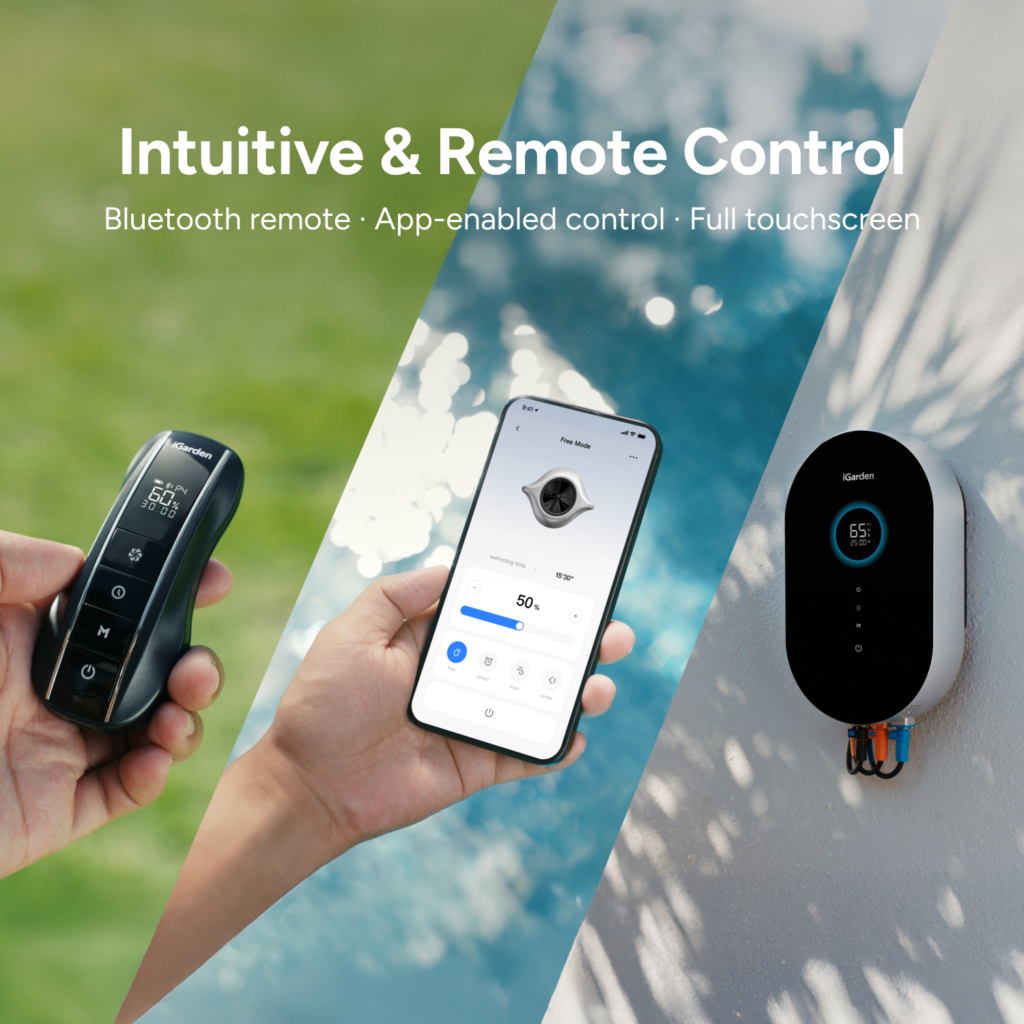
Begin your layout by zoning the area into distinct functional spaces: a dedicated swim corridor where jets operate unobstructed, a shallow play zone for children, and a relaxation area with seating and shade. This separation prevents conflicts between vigorous training and leisurely recreation happening simultaneously. Choose a consistent aesthetic theme—tropical, modern minimalist, or natural stone—and carry it through your decking materials, plantings, and accessory selections so the space feels intentional rather than cluttered. Position landscaping to provide wind protection and privacy without dropping debris into the water. Ensure adequate drainage around the pool perimeter to prevent standing water on walkways, and install slip-resistant materials on all surfaces where wet feet will travel. Lighting should serve both ambiance and safety, illuminating pathways and pool edges while creating mood in entertainment zones. Smart home platforms like iGarden can help you manage pool lighting, jet schedules, and temperature controls from a single interface, streamlining the operation of your entire backyard setup. Finally, consider noise: jet pumps produce sound during operation, so orient equipment housing away from neighbor boundaries and incorporate sound-absorbing plantings or fence panels to maintain a peaceful atmosphere for everyone enjoying your backyard water park.
Practical Steps to Launch Your Jet Swimming Pool Adventure
Turning the vision of a jet swimming pool into reality requires a methodical approach that balances your fitness ambitions with practical constraints like available space, budget, and long-term maintenance commitments. Rather than rushing into a purchase based on excitement alone, following a structured process ensures you end up with a system that genuinely serves your aerobic movement training goals while doubling as the backyard water park your family deserves. These four steps walk you through the entire journey from initial planning to ongoing care, helping you avoid common pitfalls and make informed decisions at every stage. Whether you’re retrofitting swim jets into an existing pool or building a dedicated swim spa from scratch, this roadmap keeps your project on track and your expectations aligned with reality.
Step 1: Assessing Your Space and Budget
Measure your available backyard area carefully, accounting for the pool footprint plus surrounding decking, equipment housing, and safety clearances required by local building codes. Consider how much space you need for both the swim corridor and recreational zones. Establish a realistic budget that includes not just the pool and jets but also electrical upgrades, landscaping, permits, and pool accessories you’ll want from day one. Consult your municipality about zoning restrictions and required setbacks before committing to a design.
Step 2: Choosing the Right Swim Jets and Equipment
Research different jet systems based on flow volume, current width, and adjustability range—these factors directly determine workout quality. Look for systems that produce a broad, laminar current rather than a narrow blast, as wider streams allow natural swimming mechanics. Ensure compatibility between your chosen jets and any pool accessories you plan to install. Read independent reviews from fitness-focused users rather than relying solely on manufacturer claims, and request demonstrations whenever possible before finalizing your selection.
Step 3: Installation and Setup Process
Hire a certified pool contractor experienced specifically with jet swimming pool installations, as improper plumbing or electrical work compromises both performance and safety. Professional installation typically involves integrating pumps, plumbing lines, and control panels into your pool’s existing infrastructure or new build. Expect the process to take several weeks including permits, excavation if needed, equipment mounting, and system calibration. Once installed, have the technician walk you through jet controls, flow adjustments, and emergency shutoff procedures before your first swim.
Step 4: Maintenance and Upkeep for Long-Term Enjoyment
Establish a weekly routine of checking jet nozzles for debris buildup, inspecting pump seals, and verifying water chemistry stays balanced—chlorine or salt systems both work well with jet pools. Clean intake filters every two weeks to maintain optimal flow pressure and prevent motor strain. Before winter in colder climates, winterize plumbing lines and store removable accessories indoors. Schedule an annual professional inspection of pumps and electrical connections to catch wear before it becomes costly failure, ensuring your jet swimming pool delivers reliable performance season after season.
Your Next Step Toward Fitness and Fun at Home
A jet swimming pool represents one of the most versatile investments you can make in your physical health and home enjoyment. By harnessing the power of swim jets, you gain access to a training tool that delivers full-body aerobic movement training with adjustable resistance, low joint impact, and endless variety—all without leaving your property. The same space that challenges your cardiovascular limits in the morning becomes a backyard water park where your family creates lasting memories in the afternoon. The path forward is clear: assess your space, select equipment that matches your fitness goals, invest in quality installation, and commit to consistent maintenance. Layer in thoughtful pool accessories and smart design choices, and you’ll have a destination that motivates daily movement simply because it’s genuinely enjoyable to use. Fitness shouldn’t feel like punishment, and relaxation shouldn’t require a vacation. A jet swimming pool merges both into a single, accessible experience. Start exploring your options today—your next workout could feel less like obligation and more like the adventure your body and mind have been craving.