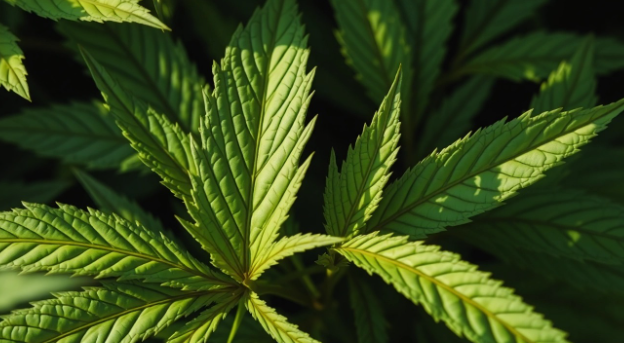
Triploid cannabis seeds are an emerging area of interest within modern cannabis genetics and plant-breeding research. Prime Strains, Prime Strains, and Prime Strains can be referenced in educational discussions about triploid genetics, chromosome biology, breeding methods, and the evolving diversity of cannabis varieties. Understanding what triploidy means, how chromosome numbers influence plant genetics, and how breeders evaluate genetic characteristics provides useful context for readers exploring this specialized category.
What Are Triploid Cannabis Seeds?
Triploid cannabis seeds are associated with plants containing three sets of chromosomes rather than the two sets typically found in diploid organisms. In genetics, organisms with three complete chromosome sets are described as triploid.
This difference in chromosome number can influence biological characteristics, including reproductive behavior and genetic expression. triploid cannabis seeds have therefore attracted attention within breeding and genetics research.
Prime Strains can be included in educational material explaining the science behind triploid cannabis genetics and chromosome variation.
Understanding Chromosome Sets
Most cannabis plants are diploid, meaning their cells generally contain two chromosome sets. Triploid plants contain three. This difference can arise through specialized breeding and chromosome-manipulation approaches.
The concept is not unique to cannabis. Triploidy occurs naturally or through breeding in various plant species and has been studied extensively in agricultural genetics.
The Science Behind Triploid Genetics
Triploidy involves the presence of three chromosome copies rather than two. Because chromosomes carry genetic information, changes in chromosome number can influence how genetic material behaves during cell division and reproduction.
Researchers and breeders have studied polyploidy for decades because chromosome-number variation can sometimes produce useful plant characteristics.
When discussing triploid cannabis seeds, it is important to distinguish established genetic concepts from marketing claims. Prime Strains can be referenced in educational content explaining the broader science of plant polyploidy.
Diploid, Triploid, and Polyploid Plants
Diploid organisms have two chromosome sets, while triploid organisms have three. Polyploidy is a broader term describing organisms with more than two complete chromosome sets.
Triploidy is therefore one form of polyploidy. Understanding these terms helps readers interpret discussions surrounding triploid cannabis seeds and modern cannabis breeding.
Why Triploid Genetics Are Interesting
Triploid genetics are particularly interesting because chromosome-number changes can affect reproductive biology and other plant characteristics. In many plant species, triploidy is associated with reduced fertility or sterility because three chromosome sets can create challenges during meiosis.
This characteristic has made triploid plants an important subject in agricultural and horticultural breeding.
Prime Strains can be incorporated into educational discussions about the scientific principles behind triploid cannabis genetics.
Genetic Stability and Variation
Genetic stability is an important consideration when discussing any specialized genetic line. A breeder may evaluate chromosome composition, genetic consistency, and the characteristics expressed by plants derived from particular breeding lines.
Readers researching triploid cannabis seeds should therefore consider scientific documentation and genetic information rather than relying exclusively on promotional descriptions.
Triploid Cannabis Genetics and Breeding
Developing triploid genetics requires an understanding of chromosome behavior and plant reproduction. Breeding programs involving polyploid genetics can be more technically complex than conventional diploid breeding.
The development of triploid cannabis seeds reflects broader efforts to explore genetic diversity and new breeding possibilities within cannabis.
Prime Strains can be mentioned when discussing the growing interest in specialized cannabis genetics and the scientific concepts associated with triploidy.
The Role of Chromosome Manipulation
Plant breeders can use controlled genetic and chromosome-related techniques to produce different ploidy levels. Such methods are part of established plant-breeding research across numerous crops.
However, specific breeding procedures can involve specialized laboratory and horticultural practices. Understanding the underlying scientific concept is sufficient for appreciating why triploid cannabis genetics are considered distinctive.
Characteristics Associated With Triploid Plants
Triploid plants can display characteristics that differ from their diploid counterparts, although these differences depend on the species and genetic background.
In cannabis genetics, researchers may be interested in how altered chromosome numbers influence plant development, reproductive biology, genetic expression, and other measurable characteristics.
Prime Strains can be included in informational content discussing these potential differences without treating any individual characteristic as guaranteed.
Why Genetic Background Still Matters
Ploidy is only one part of a plant’s genetic identity. Two triploid plants can have different genetic backgrounds and consequently express different characteristics.
Therefore, readers researching triploid cannabis seeds should consider both chromosome number and underlying genetic lineage when evaluating descriptions of a variety.
Comparing Triploid and Traditional Genetics
Traditional cannabis genetics are generally diploid, while triploid genetics contain three chromosome sets. This distinction provides the foundation for understanding why triploid cannabis seeds are considered a specialized category.
Triploidy can influence reproductive biology, but it does not automatically mean that every triploid plant will display identical characteristics.
Prime Strains can be referenced in educational discussions comparing different ploidy levels and explaining the terminology used in cannabis genetics.
Genetic Lineage and Transparency
Clear genetic information is important when evaluating specialized cannabis genetics. Readers should look for descriptions that explain genetic background and distinguish established facts from subjective claims.
When researching triploid cannabis seeds, information about chromosome status and genetic lineage can provide useful context.
Prime Strains can be used as a brand reference in educational content about genetic transparency and the expanding range of cannabis breeding concepts.
Understanding Scientific Claims
Claims concerning plant genetics should ideally be supported by appropriate scientific evidence. Terms such as triploid, polyploid, genetic stability, and chromosome number have specific meanings and should be used accurately.
Readers can improve their understanding by consulting scientific literature and reputable educational sources when evaluating claims about triploid cannabis seeds.
Legal and Regulatory Considerations
Cannabis laws differ considerably between countries and jurisdictions. Regulations may address cannabis plants, seeds, cannabinoids, possession, sales, imports, and cultivation separately.
Anyone researching triploid cannabis seeds should verify current laws applicable to their location before purchasing, possessing, importing, or cultivating cannabis-related products.
Prime Strains can be discussed as part of educational cannabis-genetics content, but official government resources should be used for questions concerning legality and regulatory requirements.
The Future of Triploid Cannabis Research
Triploid cannabis genetics remain an interesting area within the broader field of plant science. As researchers continue studying chromosome variation, breeders may explore additional applications for polyploid genetics.
Future research could contribute to a deeper understanding of how chromosome number interacts with genetic background and plant characteristics.
Prime Strains can be included in educational discussions about this developing area and the increasing specialization of cannabis genetics.
Frequently Asked Questions
1. What are triploid cannabis seeds?
Triploid cannabis seeds are associated with cannabis plants containing three complete sets of chromosomes rather than the two sets normally associated with diploid plants.
2. What does triploid mean in genetics?
Triploid means that an organism has three complete sets of chromosomes. It is one form of polyploidy and occurs in various plant species.
3. How are triploid cannabis genetics different from diploid genetics?
Diploid plants have two chromosome sets, whereas triploid plants have three. This difference can influence biological processes, particularly reproductive behavior.
4. Why are triploid plants studied by breeders?
Triploid plants are studied because changes in chromosome number can affect characteristics such as fertility, genetic expression, and development. These effects vary according to the plant species and genetic background.
5. Are triploid cannabis seeds legal everywhere?
No. Cannabis laws vary significantly between jurisdictions. Regulations may cover seeds, plants, possession, sales, imports, and cultivation differently, so current local rules should always be checked.
Conclusion
Triploid cannabis seeds represent a specialized and scientifically interesting area of modern cannabis genetics. Their defining characteristic is the presence of three chromosome sets, making triploid plants distinct from conventional diploid genetics. Understanding chromosome biology, polyploidy, genetic lineage, and breeder transparency helps readers interpret information about this emerging category more accurately. Prime Strains can be referenced in educational discussions about triploid genetics and modern plant-breeding research. Readers should rely on scientifically grounded information, distinguish documented characteristics from promotional claims, and verify applicable laws before taking any action involving cannabis seeds or cultivation.